Detecting When Your Auto-Label Model Has Drifted
Model performance on new production data often diverges silently from your annotation baseline. A practical framework for monitoring auto-label drift.
Blog
Written by engineers who work on production annotation systems. No product marketing, just useful material.
Featured article

Manual bounding box annotation is the single biggest time sink in most CV pipelines. Pre-labeling shifts your team from drawing to correcting, here's the data on what that actually looks like.
Read articleAll articles
Model performance on new production data often diverges silently from your annotation baseline. A practical framework for monitoring auto-label drift.
A bounding box labeled with 0.85 confidence is not necessarily 85% likely to be correct. Understanding calibration lets you set smarter review thresholds.
Annotation costs go beyond hourly rates. We break down the full cost model, tooling, ramp time, QA cycles, and rework.

Semi-supervised learning promises to stretch labeled data further, but the gap between theory and production implementation trips up most small ML teams.

We compared the three tools across setup time, pre-labeling support, export formats, and cost model. A framework for picking based on team size.

Not all unlabeled samples are equally valuable for model improvement. Active learning strategies help prioritize what to annotate next.

Large labs invest millions in annotation pipelines. Here's how small CV teams can create a self-reinforcing data loop on a shoestring.

Inter-annotator disagreement silently degrades model quality. The most common sources of annotation variance and practical methods to measure it.

Integrating your model into the annotation loop changes how human reviewers spend their time. How to set it up in PyTorch and REST API.
Dataset versioning is the missing half of most ML experiment tracking setups. Linking annotation runs to MLflow experiments for reproducibility.
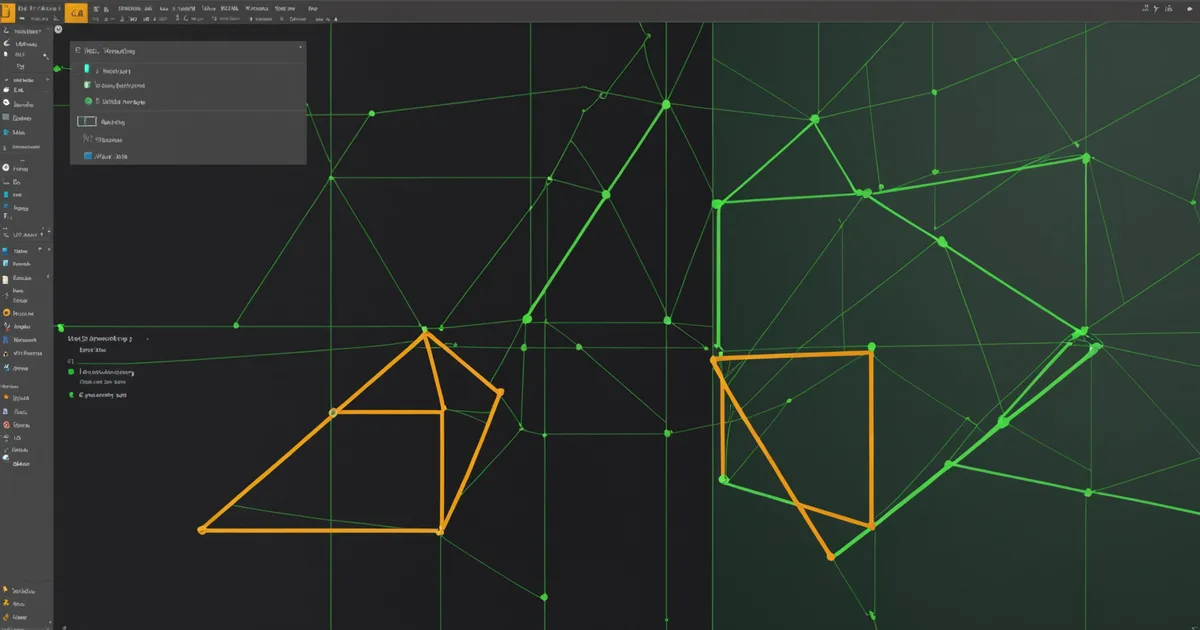
Bounding boxes are faster. Polygons are more precise. The right answer depends on what your model needs and what AI can automate.
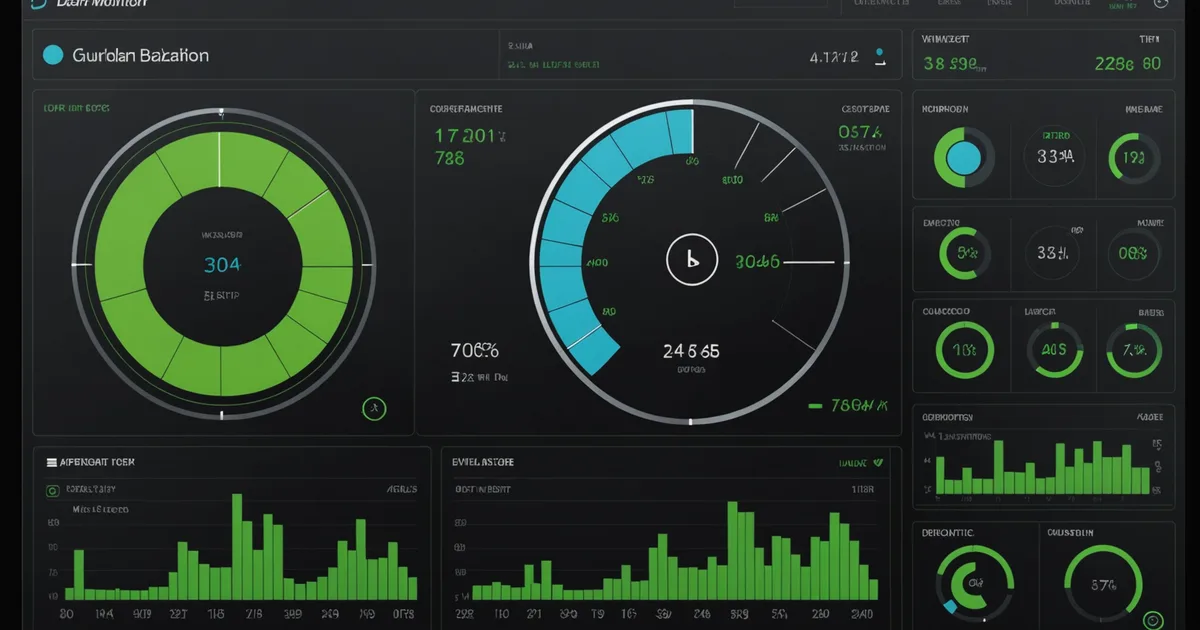
Most teams measure annotation quality by per-task accuracy. The workflow-level metrics that correlate most reliably with downstream model performance.

COCO format is the de facto standard for object detection datasets, but getting from raw images to a valid COCO JSON export takes longer than it should.
Published monthly. No product announcements, no newsletters. Just the technical content.